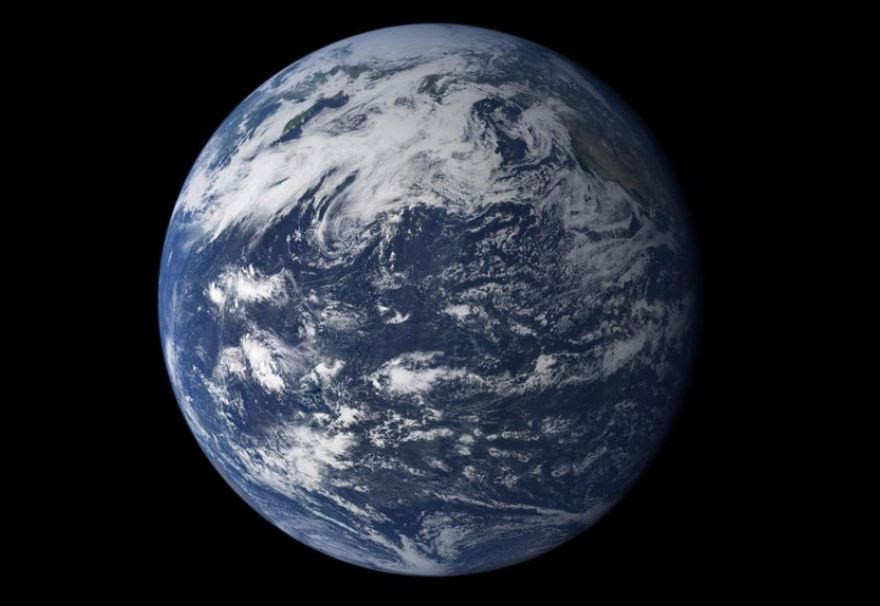
Figure 1. The Pacific Ocean stretches around a third of the Globe
The oceans comprice 71 % of the Earth’s surface and receive a corresponding amount of warm solar energy.
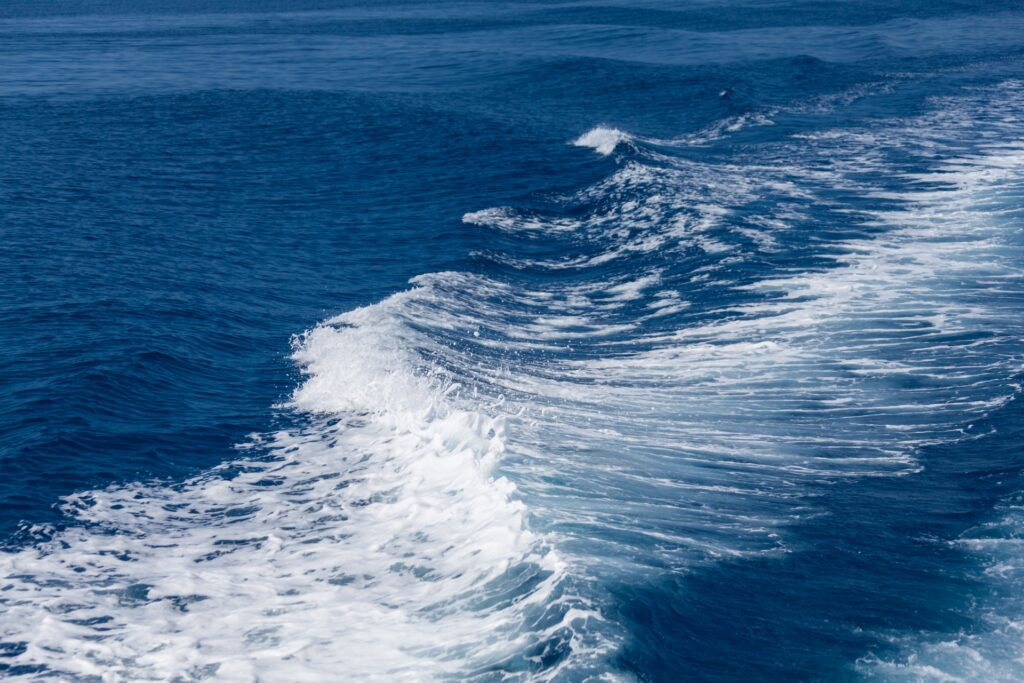
Figure 2. Waves, sizzling splashes and foam increase the contact surface between air and sea
The exchange of carbon dioxide, CO₂, between the two therefore becomes efficient. Thus, we must consider the content of CO₂ in the oceans as the most important factor of the CO₂ content of the air.
According to estimates of the IPCC some 300 Gt C are emitted from the warm water of the seas around the equator and absorbed by the cold water at higher latitudes. This number is, of course, subject to a large margin of error.
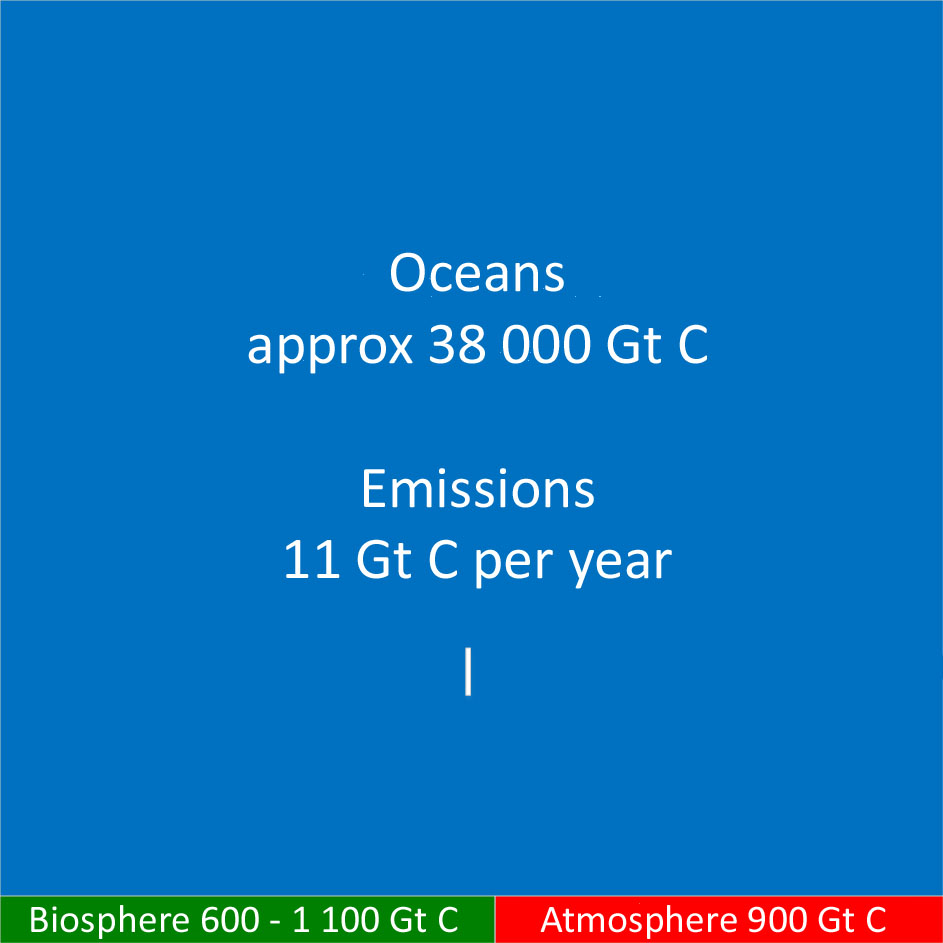
Figure 3. The Earth’s store of carbon that is “free” to be included in the “carbon cycle” which is the prerequisite for all life.
1 Gt = 1 billion ton. Gt C means that only the carbon content of compounds is counted. This is done to make it easier to compare different fuels, e.g. oil, methane and wood. Apply a factor of 3.67 to arrive at the amount of CO₂.
The numbers refer to calculations and estimates with some uncertainty, but they give the proportions, which are so important to consider.
The total store of “free” carbon on Earth is some 3 600 times greater than the annual anthropogenic emissions. The natural turn-over per year is some 70 times greater.
The overlooked effect of warming oceans
After the Little Ice Age’s 500 years of cold climate, the oceans have slowly warmed. This warming has a direct effect on the fate of anthropogenic emissions in the nature.
The balance of gas content between air and water is determined by Henry’s Law of Nature: The partial pressure of the gas should be the same above and below the water surface. It is a physical fact that the partial pressure in water rises with temperature. In the air , however, it depends solely on the concentration, i.e. the number of ppm.
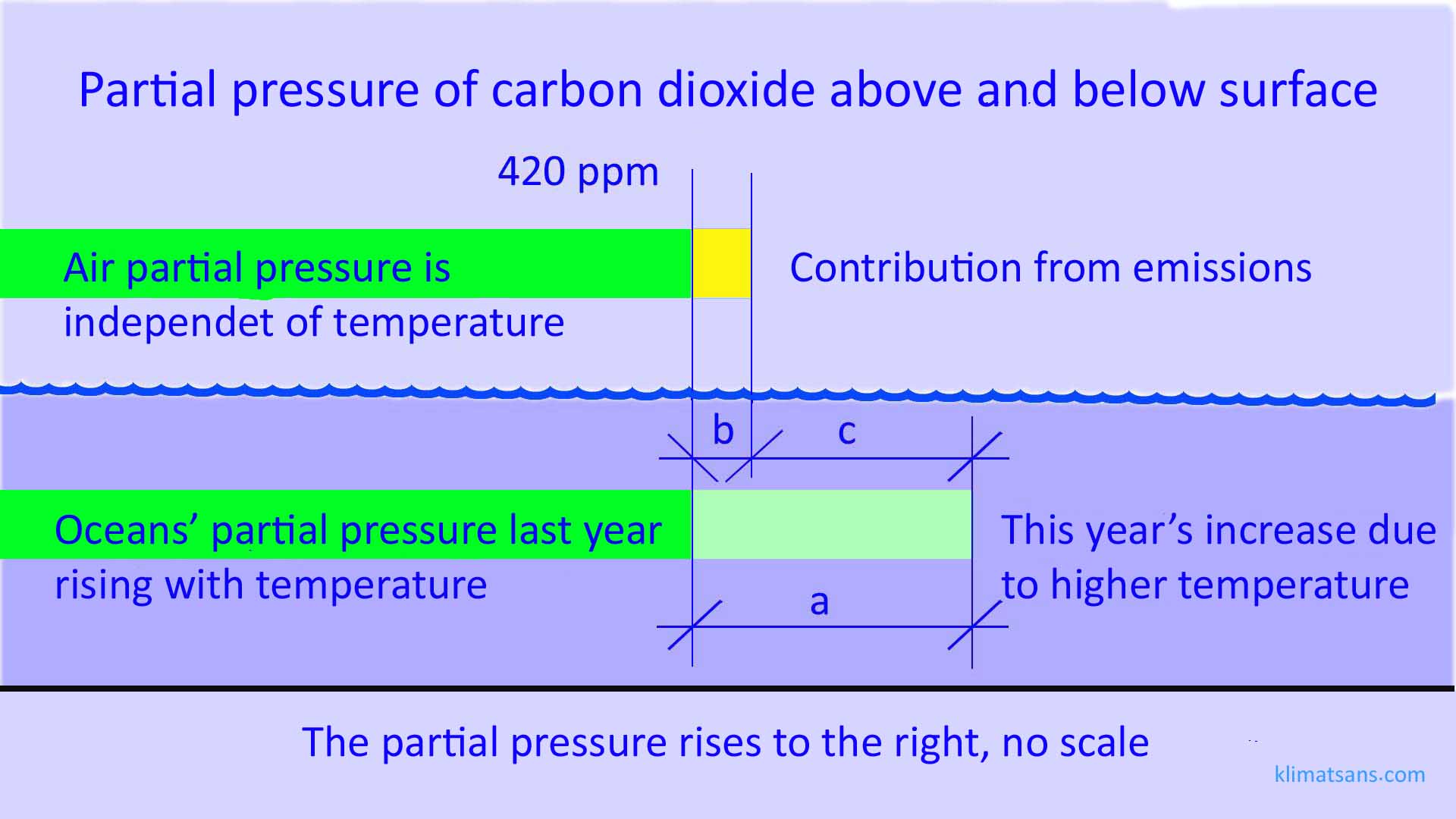
Figure 4. The partial pressure of CO₂ above and below ocean surface
- The partial pressure of the ocean water rises by the amount (a) due to the warming.
- Anthropgenic emissions immediately raise the pressure above the surface by the amount (b).
- It is the pressure difference (c) that determines the flow out of the oceans.
The result is that the anthropogenic emissions reduce the flow by the same amount as these emissions. In practical terms they go directly down into the oceans. “Directly” in the time frame of climate changes, i.e. about a year, which is the time it may take for emissions on the northern hemisphere to reach the southern hemisphere.
This means that these emissions do not affect the concentration of CO₂ in the air.
The obvious conclusion
The IPCC’s hypothesis of AGW, Anthropogenic Global Warming, assumes that the CO₂ content of the air is the dominant driving force for climate change. As our burning of fuels cannot affect that content, it has ZERO effect on the climate.
The hypothesis of IPCC is falsified.
The anthropogenic emissions have ZERO effect on the climate.
+ - + - + - +


 by
by 